Complete Guide to Fortress Fence Company Austin
Cost-Effective Fence Replacement: Transform Your Outdoor Space Today
Budget-friendly fence replacement serves an important purpose in upgrading exterior spaces while protecting property value. Property owners frequently neglect the value of timely fence improvements. By selecting appropriate materials and approaches, homeowners can attain both visual appeal and safety without overspending. Knowing the alternatives at hand is key. Which options work best for cost-aware property owners? The answers may lead to unexpected solutions.
Understanding Your Fencing Needs
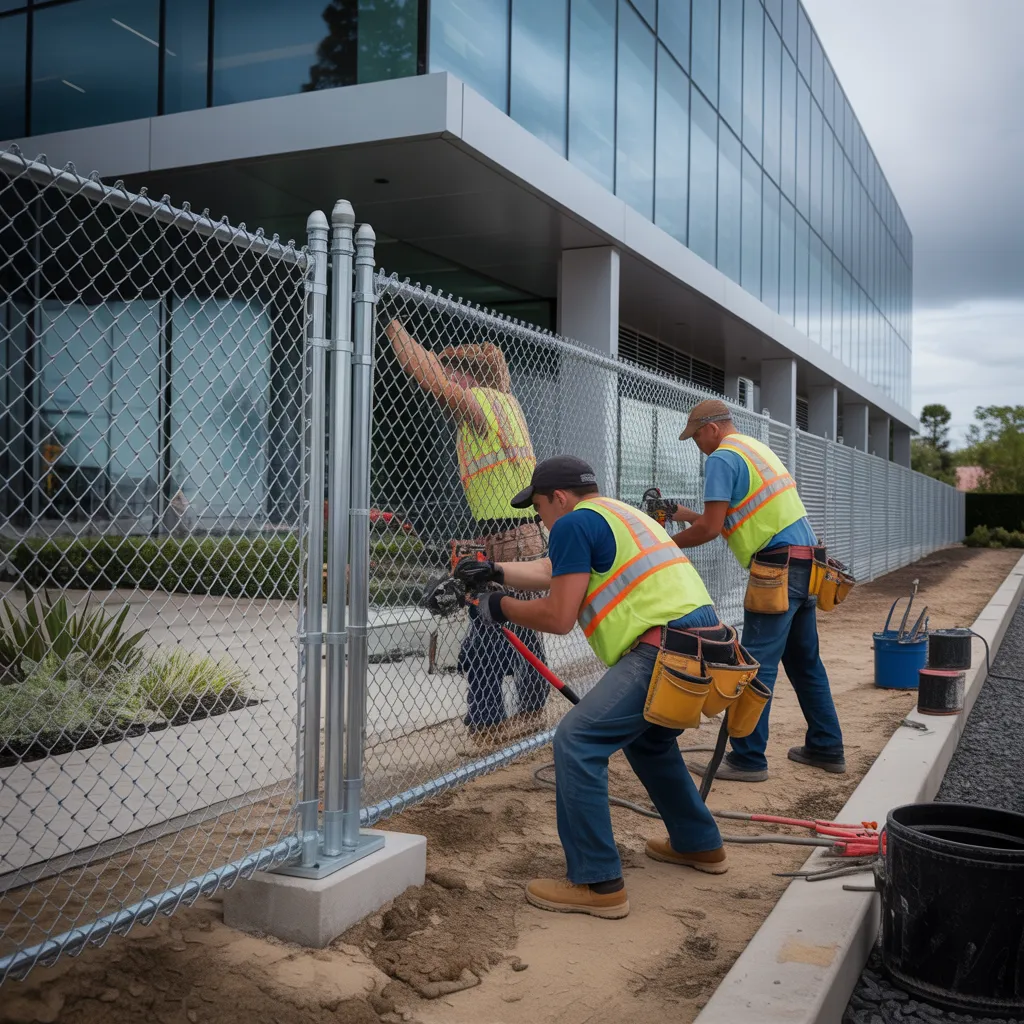
How does one establish the best approach to fencing replacement? The procedure commences with a thorough assessment of existing fence conditions. This requires checking for deterioration, rot, or structural damage, as well as reviewing the aesthetic appeal and practicality of the fence in place. Homeowners should also consider the fence's intended purpose—whether for boundary marking, privacy, or security. Subsequently, it's critical to take accurate measurements of the fencing area, ensuring accurate dimensions for material selection. Financial considerations are a key factor; understanding the financial implications of various materials, such as vinyl, metal, or wood, supports sound decision-making. In addition, neighborhood aesthetics and local zoning regulations should be taken into account during planning. By focusing on these considerations, property owners can confidently select the most suitable fencing solution tailored to specific needs and circumstances, ensuring a smooth and successful fencing project.
Why Affordable Fence Replacement Matters for Homeowners
While many homeowners may overlook the importance of affordable fence replacement, it serves a critical function in preserving the value and security of a property. A properly kept fence not only enhances the aesthetic appeal of a property but also acts as a protective barrier against intruders and unwanted animals. Over time, wear and tear can compromise a fence's effectiveness, making swift replacement an important consideration.
Budget-friendly solutions help homeowners to restore their fences without overspending on renovations. This investment not only enhances security but also positively impacts curb appeal, which can attract prospective purchasers in the future. Additionally, a replacement fence can establish clear property lines, avoiding conflicts with adjoining homeowners. As outdoor spaces become increasingly important for relaxation and recreation, a sturdy and attractive fence improves these outdoor spaces, making them far more appealing. Ultimately, cost-effective fence renewal is a wise investment for homeowners looking to safeguard and enhance their home.
Explore Affordable Fencing Materials
Exploring affordable fencing materials can considerably affect a homeowner's opportunity to preserve both aesthetics and functionality. Choices such as chain link, vinyl, and pressure-treated wood provide practical solutions without exceeding your budget. Vinyl as a fencing material proves durable while requiring minimal care, making it a long-term investment. While chain link is commonly considered a utilitarian option, can be enhanced with decorative slats or coatings to increase appearance and privacy. Pressure-treated wood delivers a traditional look and may be personalized with stains or paints, granting homeowners artistic flexibility.
For those seeking eco-friendly alternatives, bamboo and recycled plastic fencing are increasingly popular. These solutions not only lower environmental harm but also deliver remarkable visual character. By thoughtfully evaluating these affordable choices, homeowners can discover fencing solutions that elevate their outdoor areas while staying within budget. At the end of the day, the best option will strike a balance between appearance, resilience, and value, securing lasting satisfaction well into the future.
How to Pick the Perfect Fence for Your Budget
When picking a fence that aligns with monetary restrictions, examining specific needs is important. This entails accounting for factors such as intended use, placement, and preferred appearance. Following this, examining a range of materials can reveal cost-effective options that satisfy those demands efficiently.
Evaluate Your Needs First
How does one properly identify the right fence for their budget? First, it is important to assess specific needs, such as privacy, security, and aesthetic preferences. Identifying the primary purpose of the fence will guide choices and help narrow down options. additional article Furthermore, assessing the size of the area to be fenced is vital, as this will impact material and labor costs. Moreover, considering local zoning regulations and homeowner association guidelines can prevent costly surprises later. Lastly, setting a clear budget early on will simplify the selection procedure, allowing for a more focused selection of materials and styles. By comprehensively evaluating these factors, one can make informed choices that suit their budgetary limitations while satisfying their fencing objectives.
Examine Material Selections Thoughtfully
Identifying the most suitable fencing material for a budget requires careful consideration of different materials currently available. Property owners frequently balance cost against longevity, aesthetic appeal, and upkeep expenses. Wooden fencing deliver a timeless appearance but can demand consistent care, while vinyl materials provides a low-maintenance alternative at a greater upfront investment. Metal fencing choices, such as chain-link or wrought iron, offer lasting strength and safety, though they tend to fluctuate widely in cost. Composite materials merge the natural look of wood with the strength of man-made alternatives, making them a practical selection. In the end, evaluating each material's lifespan, installation fees, and upkeep will direct property owners toward a choice that aligns quality with financial limitations, resulting in a rewarding outdoor improvement.
Cost-Cutting DIY Fence Installation Tips
When thinking about a DIY fencing project, choosing cost-effective materials can greatly impact the overall budget. Careful planning of the layout also helps to minimize waste and maximize efficiency. Furthermore, leveraging available online resources can provide valuable guidance and tips, additionally enriching the DIY experience.
Choose Affordable Materials Wisely
Though many property owners think that installing a quality fence necessitates significant spending, choosing affordable materials can greatly reduce costs without sacrificing durability. Options such as pressure-treated wood, vinyl, or chain-link fencing provide reliable choices at lower prices. Furthermore, considering recycled materials can provide distinctive visual appeal while remaining environmentally conscious and budget-friendly. Homeowners would benefit from checking with local suppliers, who frequently extend discounts for bulk buying. Choosing pre-fabricated panels can streamline the installation process and reduce labor expenses. Furthermore, picking materials that require minimal upkeep can result in considerable long-term cost reductions. By carefully evaluating these options, homeowners can achieve a cost-effective and attractive fencing solution tailored to their outdoor spaces.
carefully Plan Your Layout
A well-thought-out layout is important for a successful DIY fence installation. Thoughtful planning helps to avoid unnecessary expenses and guarantees that the fence fulfills its function. First, it is important to clearly mark property lines to reduce the risk of neighborly disputes. Next, measuring the area accurately is essential; this includes accounting for obstacles, gates, and slopes to ensure proper function. It is wise to sketch a detailed plan, outlining the fence's placement and structure. This illustrated reference aids in estimating overall material and financial needs. Moreover, considering local zoning regulations can prevent future complications. By investing time in planning, property owners can optimize the installation workflow, enhance the project's overall efficiency, and maximize their budget.
Utilize Helpful Online Resources
After careful planning and layout design, homeowners can significantly gain from utilizing helpful online resources. Numerous platforms offer extensive guides and videos that make the DIY fence installation process easier. Sites focused on home improvement often include step-by-step instructions, material lists, and cost estimators, helping homeowners manage their budgets efficiently. Moreover, digital forums and social media communities provide helpful insights from seasoned DIYers who share tips and tricks to avoid common pitfalls. Many manufacturers also provide detailed product specifications and installation manuals, helping homeowners choose the appropriate materials for their projects. By taking advantage of these resources, homeowners can build their knowledge and confidence, resulting in a successful and cost-effective fence replacement.
Smart Maintenance Strategies to Preserve Your Fence
Numerous homeowners pursue cost-effective care techniques to increase the longevity of their fences. Routine inspections are crucial; spotting problems early on can prevent costly repairs later. Homeowners ought to regularly clean their fences, removing dirt, mold, and algae with a straightforward blend of water and mild soap. Doing so not only boosts curb appeal but also guards against deterioration.
Adding a sealant or protective coating periodically can guard wood fences from sun exposure and moisture-related harm, prolonging their durability. Furthermore, trimming nearby vegetation can minimize damage caused by overgrowth and moisture accumulation.
Employing the right hardware, such as rust-proof screws and nails, can reduce corrosion and improve durability. Additionally, homeowners are encouraged to consider re-staining or painting rather than complete replacement, which is a more economical choice. Applying these methods can reliably copyright fence integrity while reducing overall costs, ensuring the outdoor space remains inviting and secure.
Frequently Asked Questions
How Much Time Does the Fence Replacement Process Usually Take?
The process of replacing a fence generally requires one to three days, based on the size of the area and the type of materials used. Permit requirements and weather conditions may further impact the overall schedule.
What Permits Do You Need for Fence Replacement?
In most cases, replacing a fence requires local building permits, zoning approvals, and sometimes homeowners' association approval. Requirements vary depending on the location, so it is important for homeowners to reach out to local officials prior to starting the project.
Is It Possible to Finance My Fence Replacement Project?
Financing options are frequently available for fence replacement projects. Homeowners may consider personal loans, credit lines, or dedicated financing plans provided by contractors, enabling them to spread costs over time while improving their property.
Do Eco-Friendly Fencing Options Exist?
There are indeed eco-friendly fencing options to consider, including bamboo, recycled plastic, and reclaimed wood. These options offer sustainable alternatives that help reduce environmental impact, attracting homeowners who wish to upgrade their outdoor area both responsibly and beautifully.
How Do I Choose a Reliable Fencing Contractor?
To select a trustworthy fencing professional, it is advisable to research online reviews, ask for references, check licenses and insurance, review quotes, and assess communication skills to guarantee a professional and trustworthy partnership throughout the project.